Teaching
Learning through inquiry and conversation
Some of the richest discussions in bioethics occur when philosophers, clinicians, scientists, and public health professionals learn to think with one another rather than simply alongside one another.
Teaching Philosophy
I believe that ethics is learned most deeply through thoughtful conversation, careful analysis, and sustained engagement with real-world problems. Philosophy should equip students not only to understand ethical theories, but also to reason well about the complex questions they will encounter in their professional and personal lives.
My courses emphasize close reading, careful writing, respectful dialogue, and the application of philosophical reasoning to practical questions. Whether discussing informed consent, research ethics, organizational ethics, healthcare policy, or emerging technologies, I encourage students to move beyond identifying ethical problems toward developing well-reasoned and defensible responses.
Curriculum and Program Development
Throughout my career, I have viewed curriculum development as an extension of scholarship. My work has included graduate bioethics curricula, interdisciplinary educational programs, professional ethics initiatives, and educational opportunities spanning medicine, public health, nursing, and the humanities.
Mentorship
Mentorship has been one of the most rewarding aspects of my academic career. I have worked with graduate students, medical trainees, early-career faculty, and professional colleagues through formal advising, thesis direction, committees, independent study, and professional guidance.
Educational Leadership
My educational leadership has included directing the Master of Arts in Bioethics Program and the Program on Scholarly Integrity at Emory University, developing ethics education for health professionals, and creating national training initiatives in federal service.
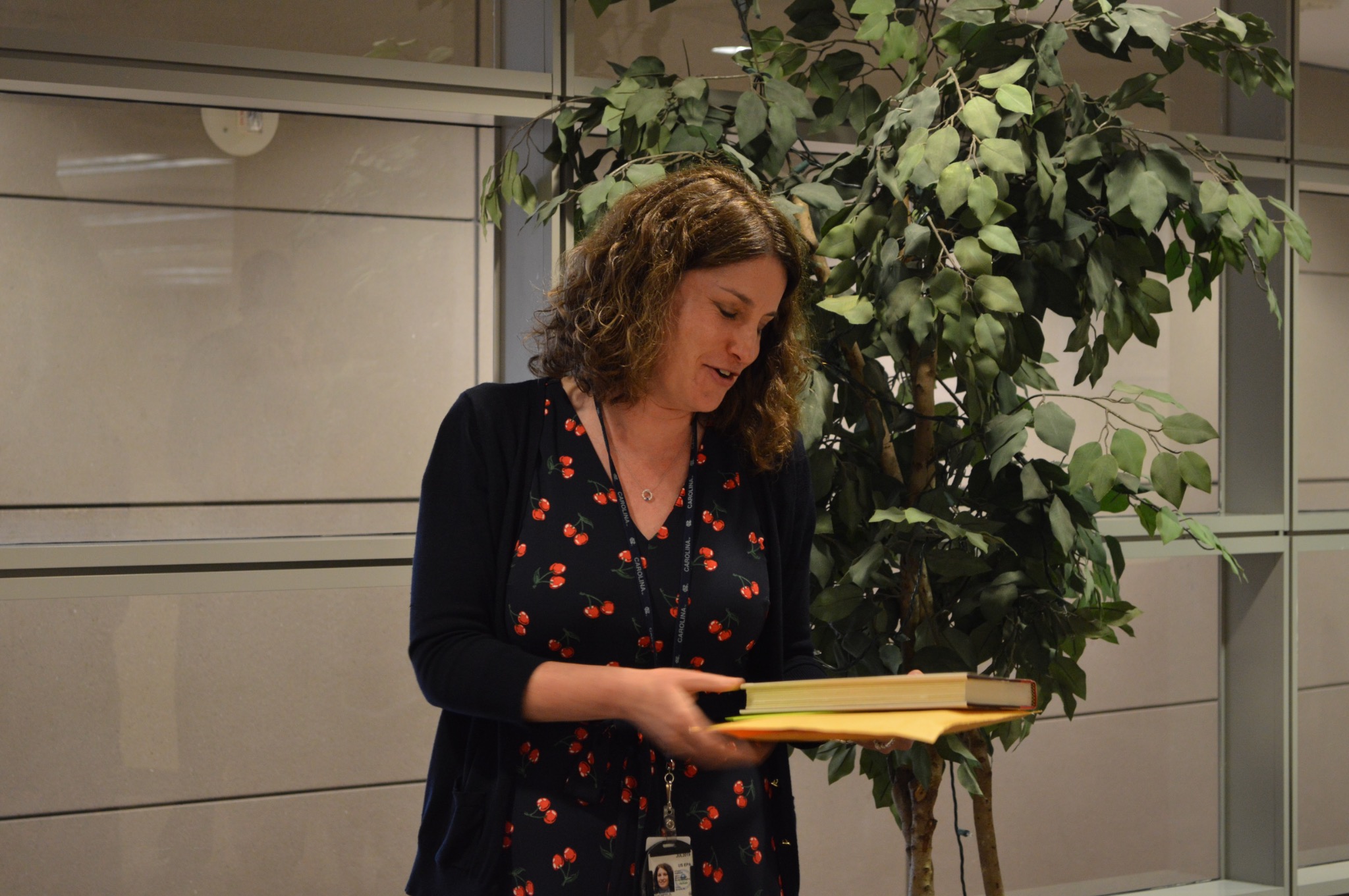
Courses
University of North Carolina at Charlotte
- PHIL 1512: Death and Dying (Fall 2026)
Emory University
- Ethics of Research Involving Human Participants (BIOETH 505)
- Bioethics Foundations II (BIOETH 502)
- Bioethics Practicum (BIOETH 601)
- Bioethics Seminar (BIOETH 504)
- Elective in Reproductive Health and Ethics
- Ethics in Residency Capstone Course
- Conscientious Objection in Medicine Capstone
University of Nebraska Medical Center
- Health Care Ethics
- Critical Thinking
- Responsible Conduct of Research
- History and Philosophy of Public Health
- Research Ethics
- Reproductive Ethics
- Spirituality and Health Care
- Introduction to Medical Ethics
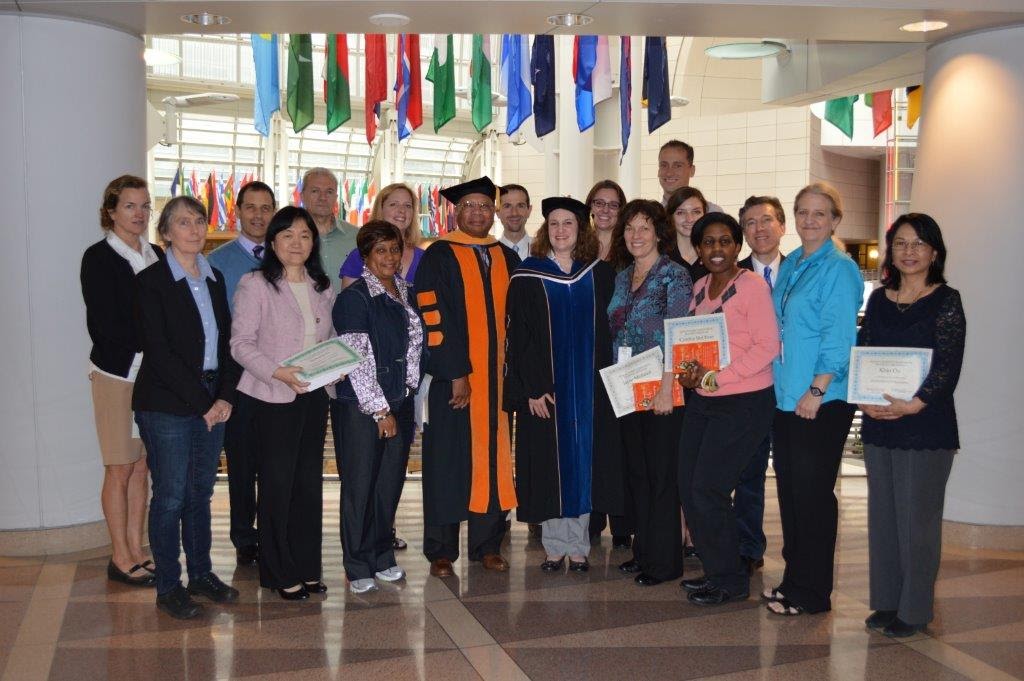
Interdisciplinary education has been a defining feature of my teaching career.