ITCS 6101/8101: Natural Language Processing
Spring 2026
Time and Location: Tue, Thu 5:30 – 6:45pm, Woodward 135
| Instructor & TA: |
|
Razvan Bunescu |
|
Tonmoy Hasan |
| Office: |
|
Woodward 410G |
|
Cone 164 |
| Office hours: |
|
Tue, Thu 4:00 – 5:00pm |
|
Mon, Wed 4:00 – 5:00pm |
| Email: |
|
rbunescu @ charlotte edu |
|
thasan1 @ charlotte edu |
Textbook (PDF available online):
Speech and Language Processing (3rd edition draft), by Daniel Juraksfy and James E. Martin; draft released on Jan 6, 2026.
Course description:
Natural Language Processing (NLP) is a branch of Artificial Intelligence whose focus is on the development of computer systems that can process, understand, or communicate in natural language. The course will cover foundational techniques for developing state-of-the-art NLP models, such as Large Language Models (LLMs), as well as methods for understanding their behavior and limitations. On the application side, the course will introduce agentic AI workflow patterns for LLM-based applications. Students will reinforce core concepts and skills through homework assignments, research paper presentations, and a final project.
Prerequisites:
Introduction to Machine Learning (ITCS 3156 or 5356). Students are expected to be comfortable with programming in Python, data structures and algorithms (ITSC 2214), and basic machine learning techniques. Relevant background material will be made available on this website throughout the course.
Lecture notes:
- Syllabus & Introduction
- Tokenization
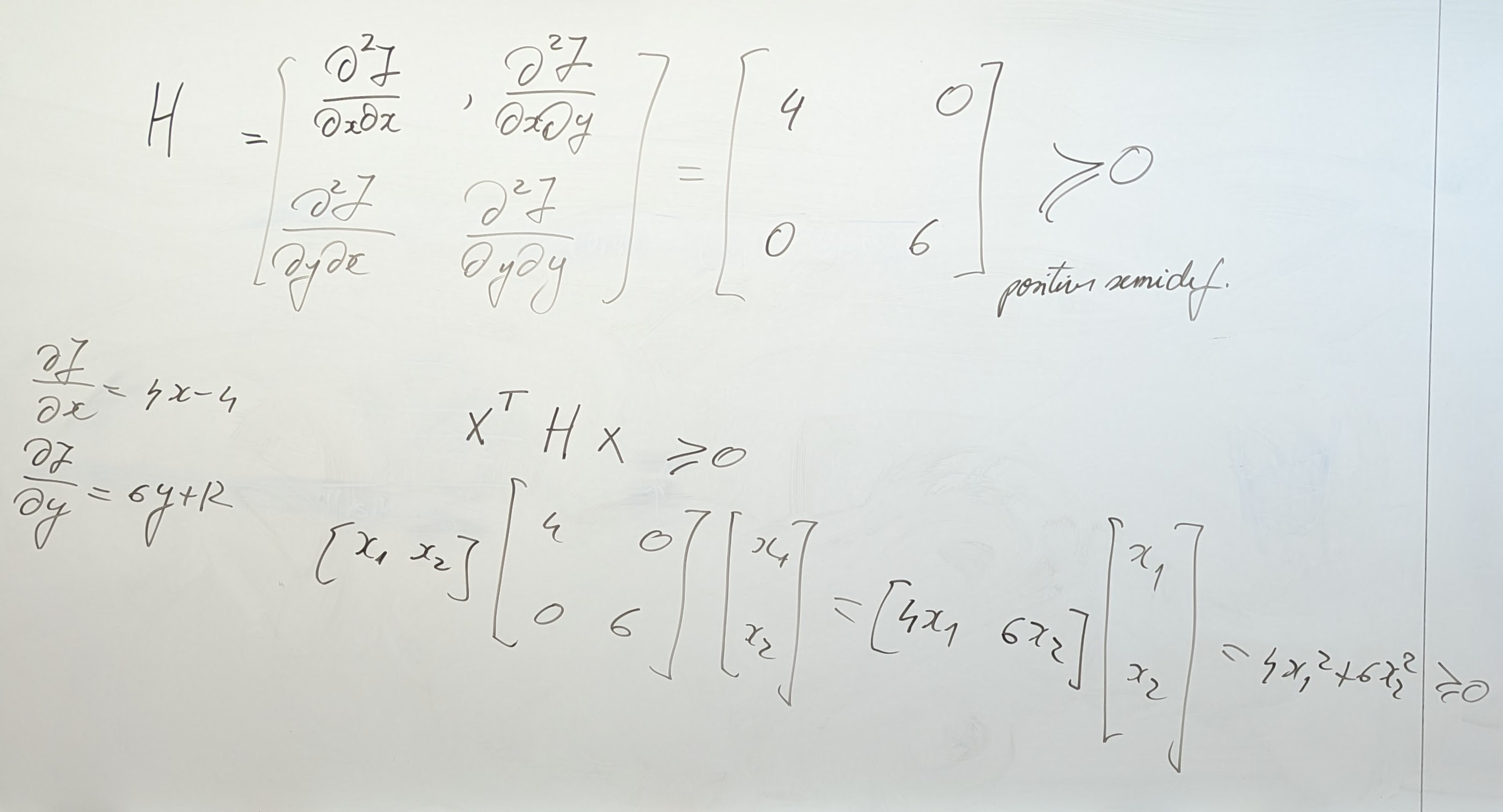
- ML review on logistic regression
- Word embeddings
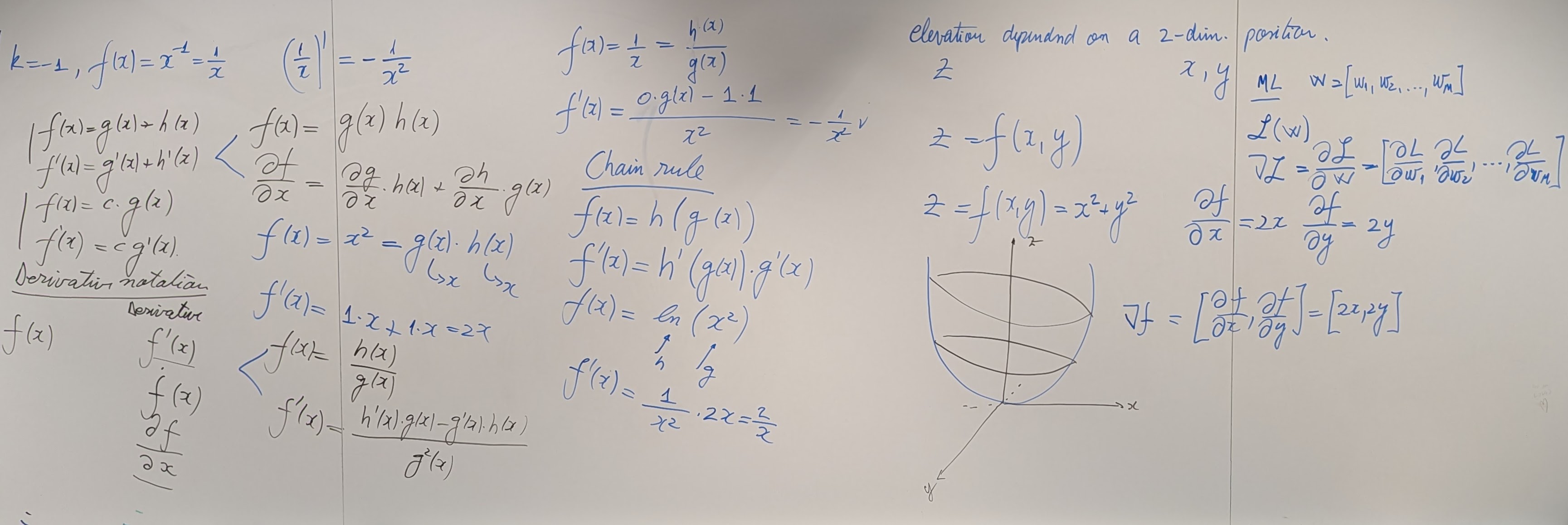
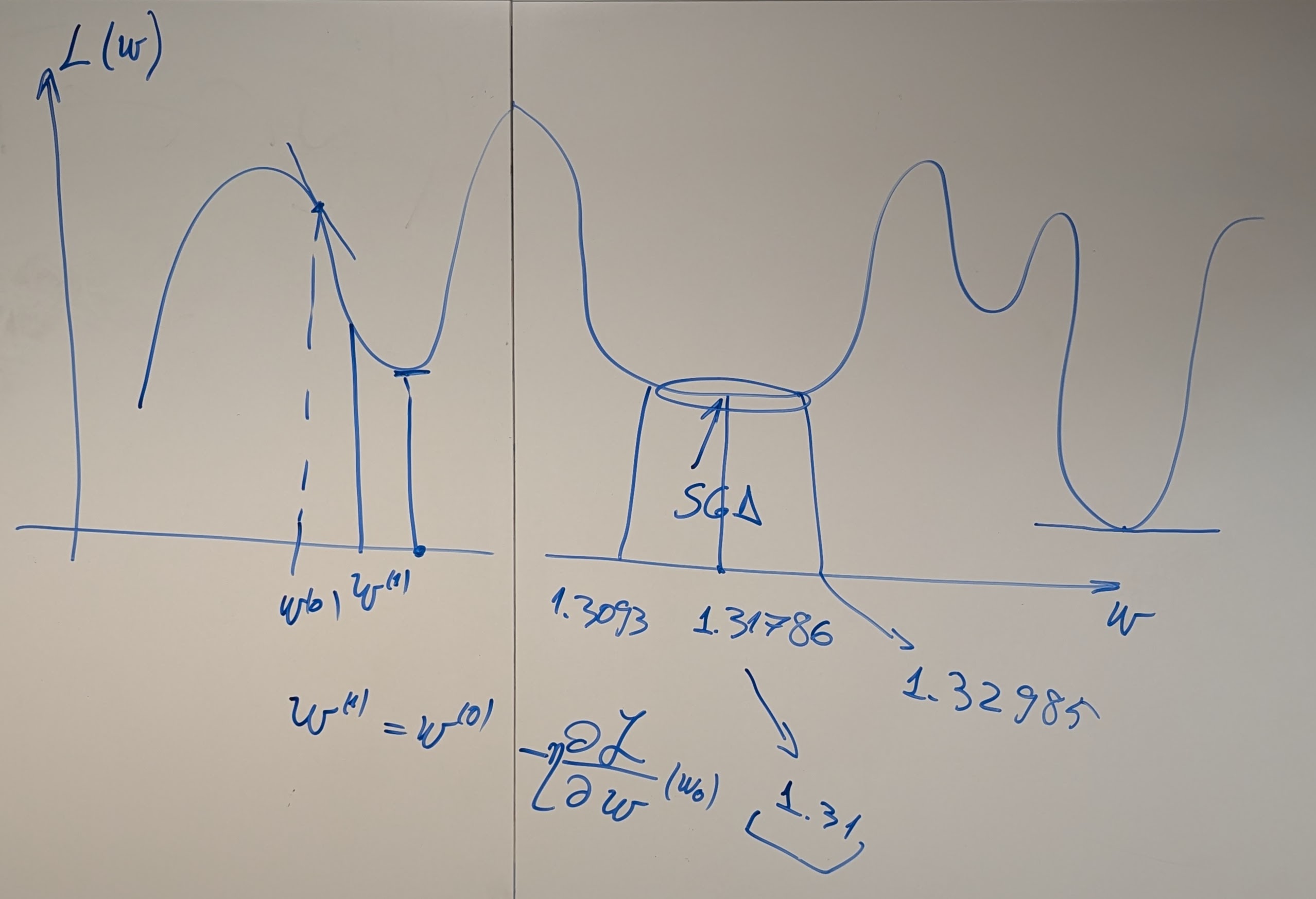
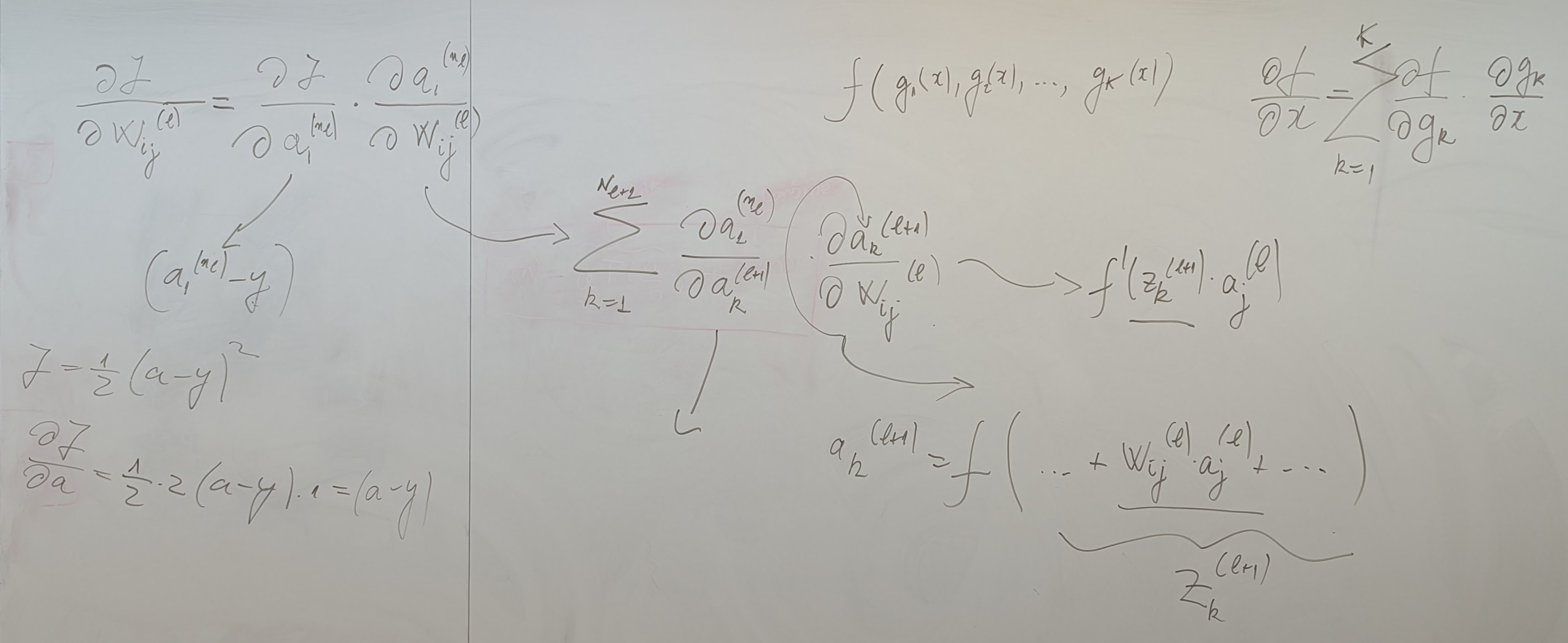
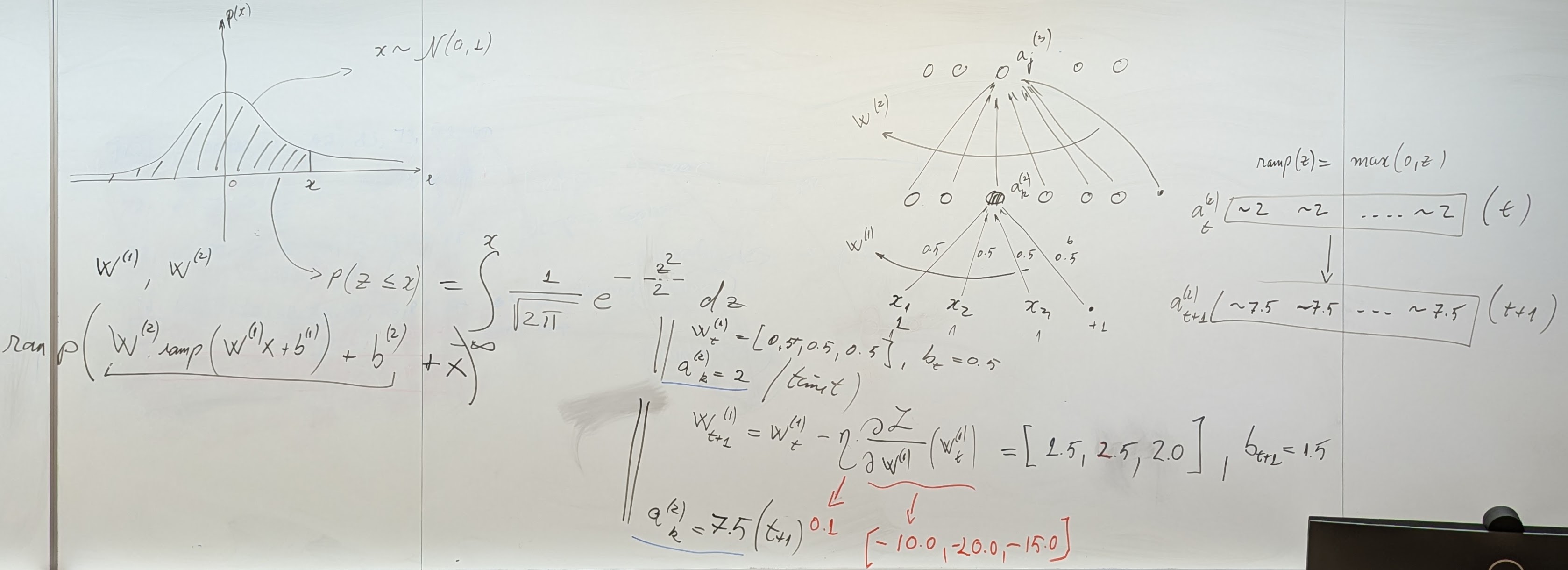
- ML review on neural networks
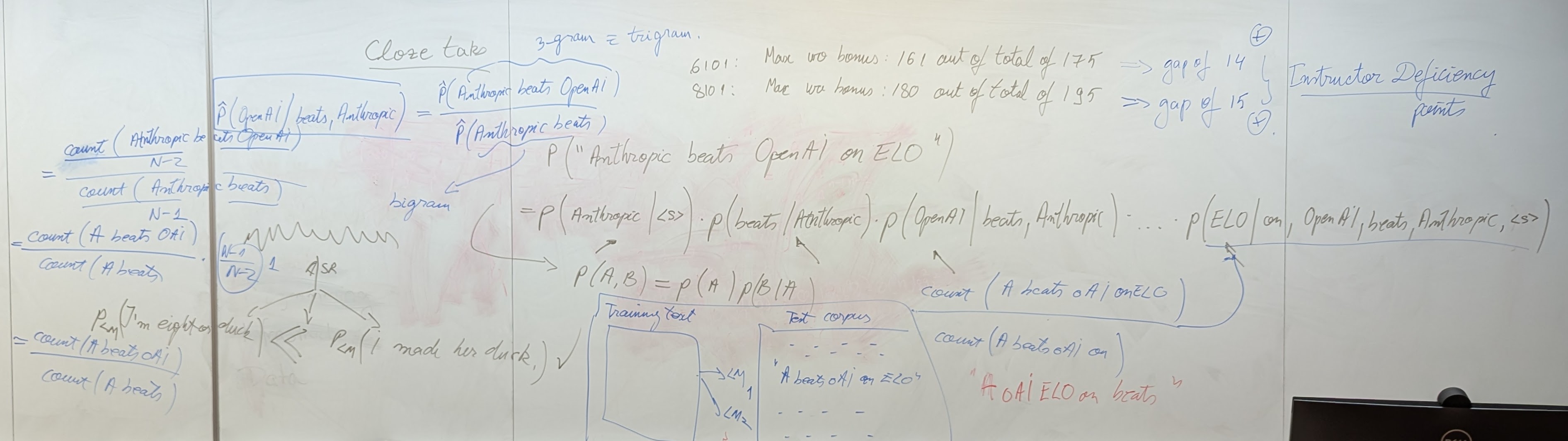
- Text Classification and Language Modeling with FCNs
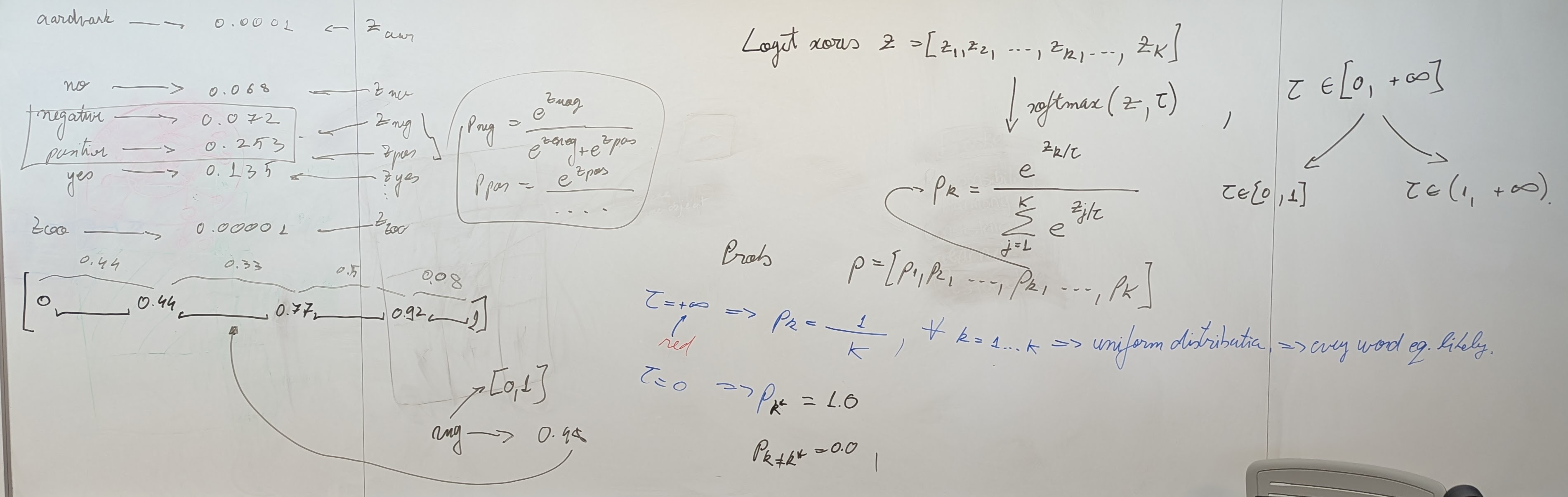
- Language Modeling architectures
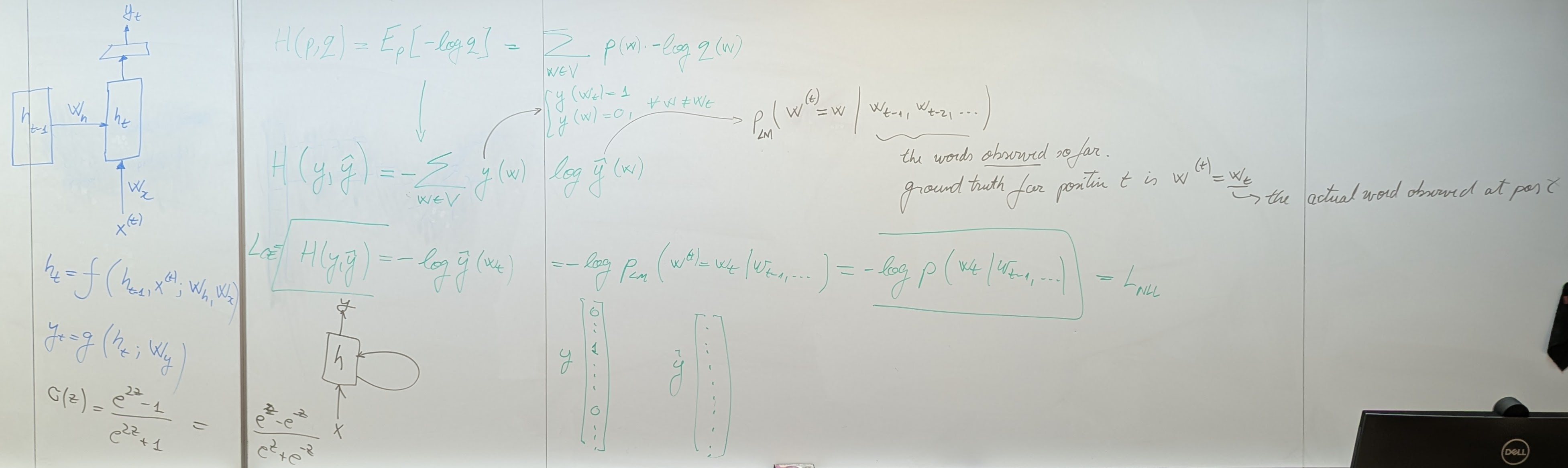
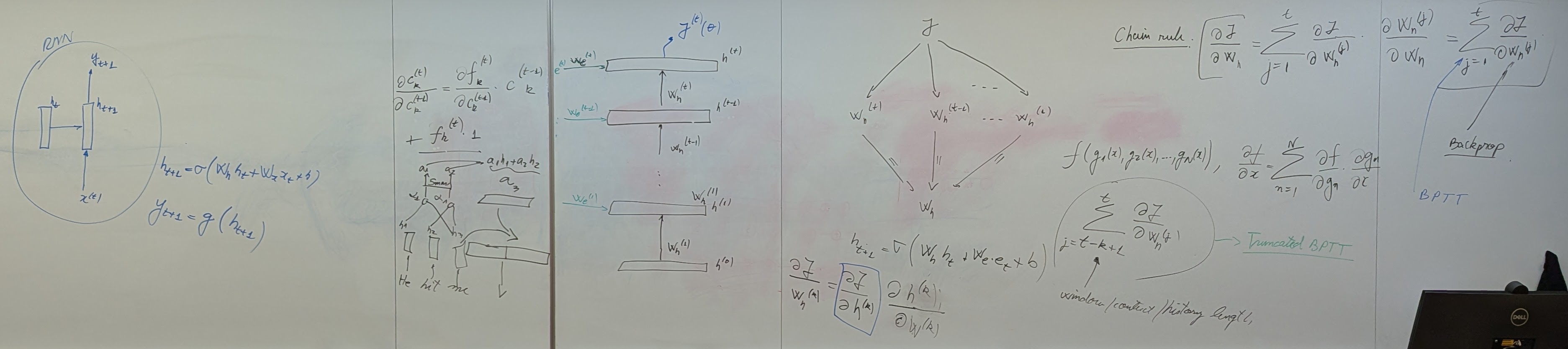
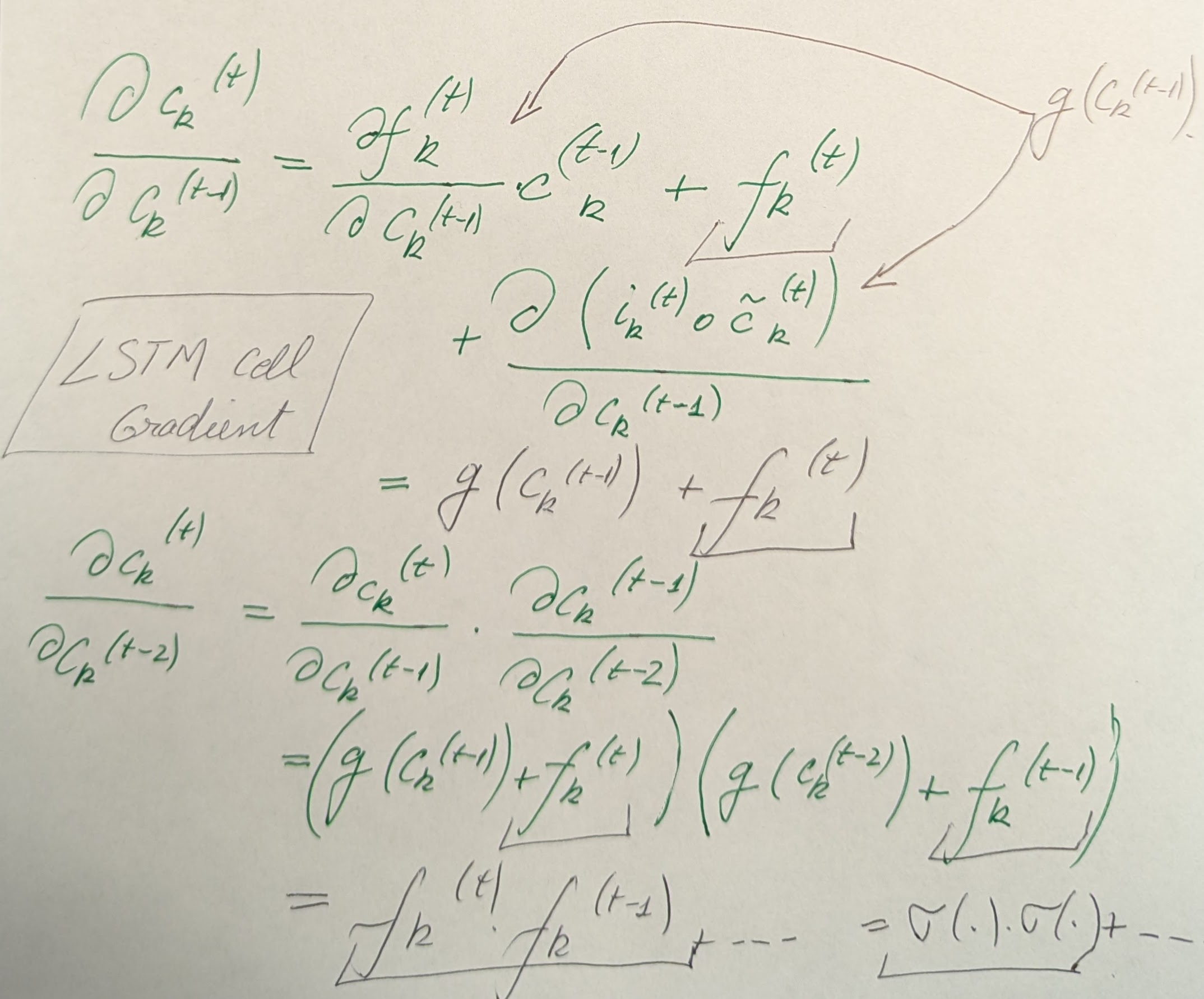
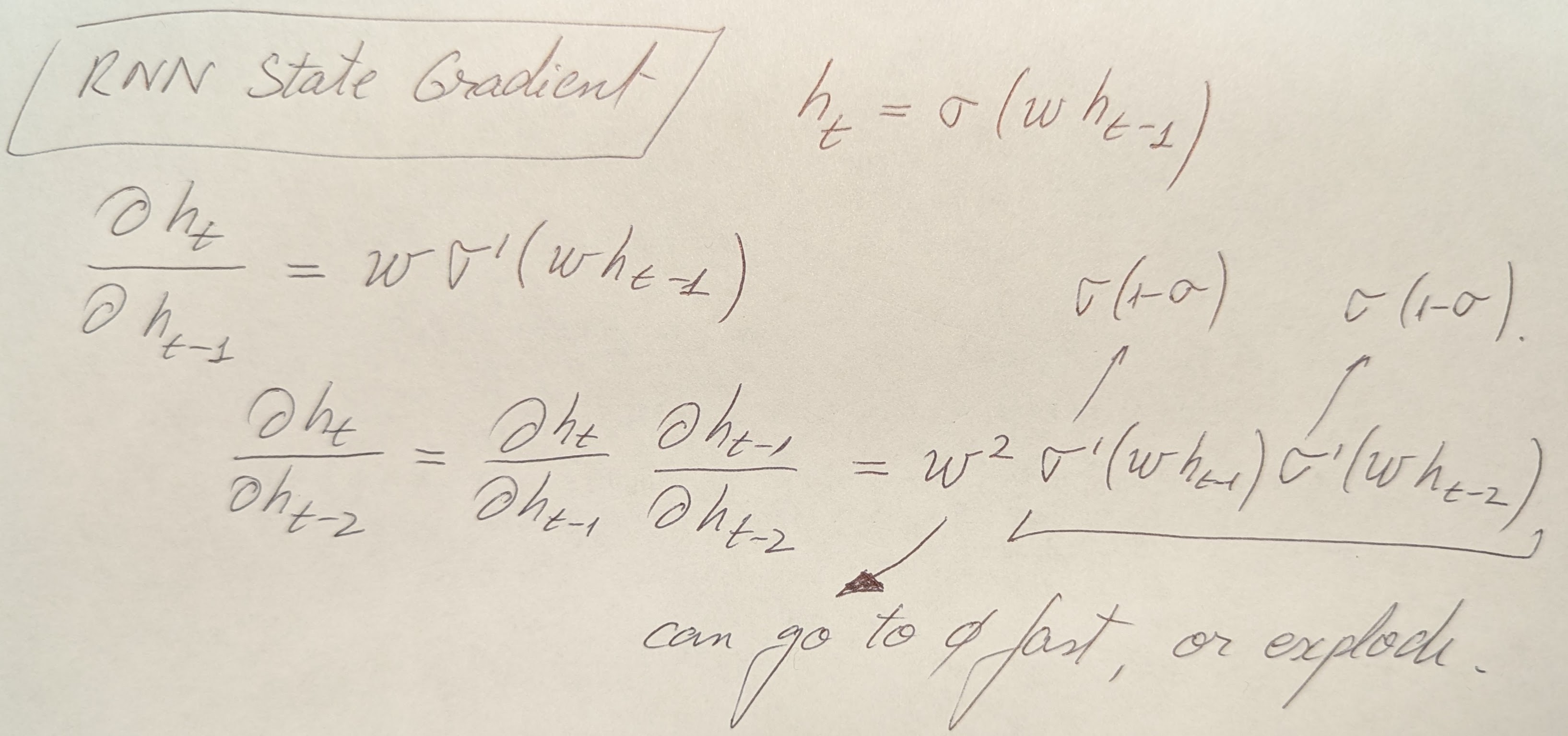
- Language Modeling with RNNs and LSTMs
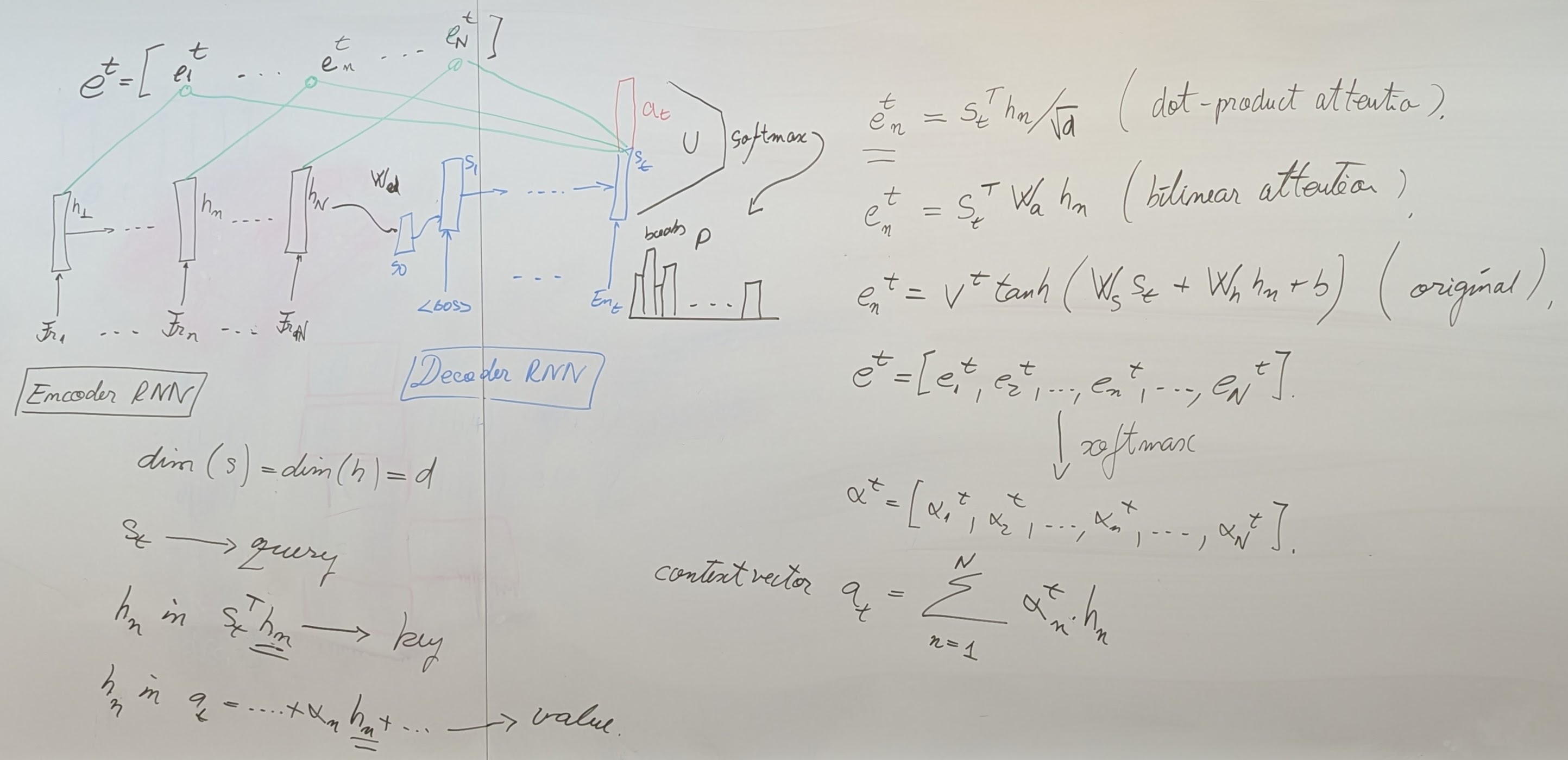
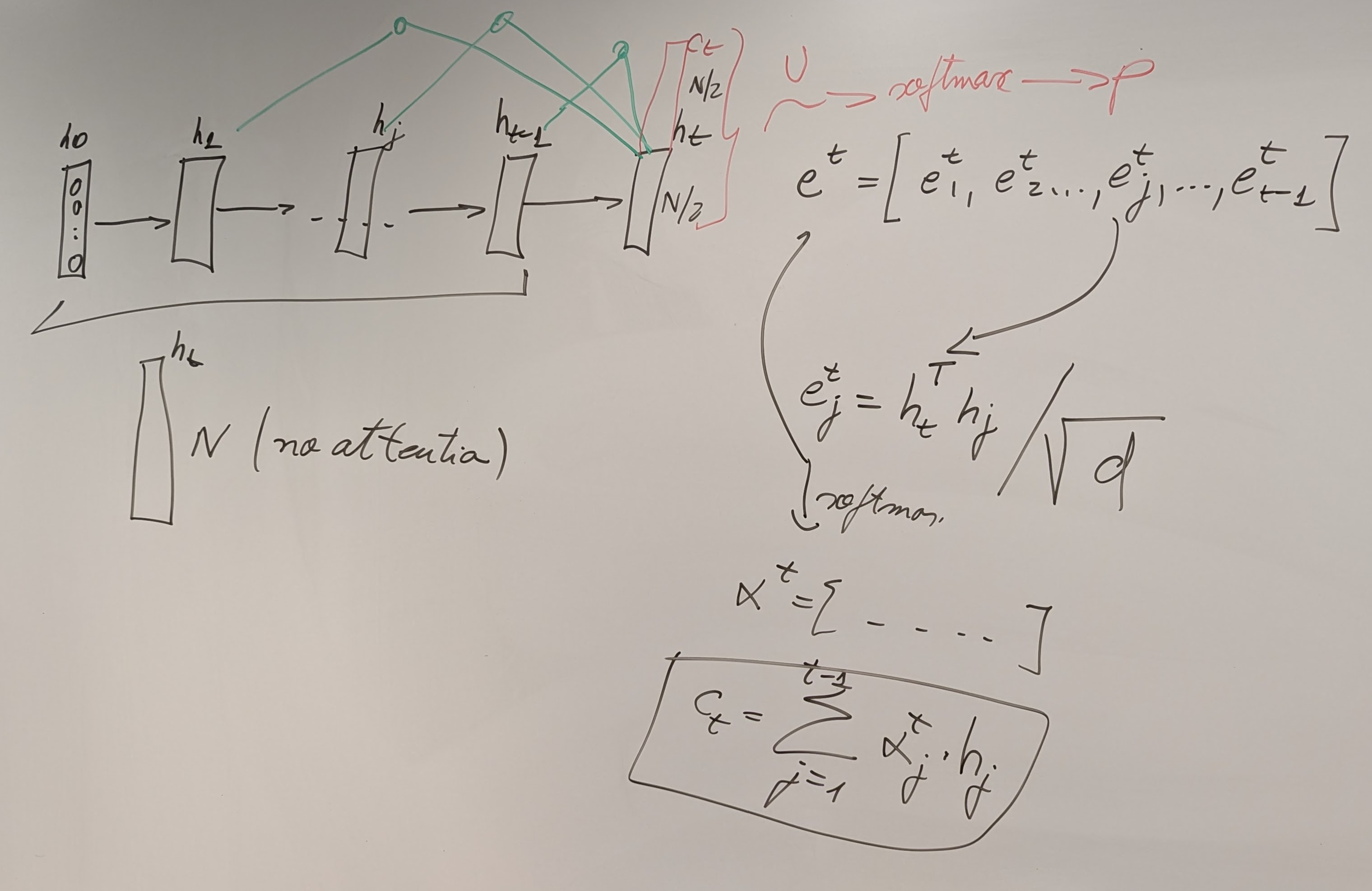
- Sequence to Sequence RNNs and Attention
- Chapter 13 on RNNs and LSTMs, Section 13.8.
- Notes from lecture on Mar 5: one and two.
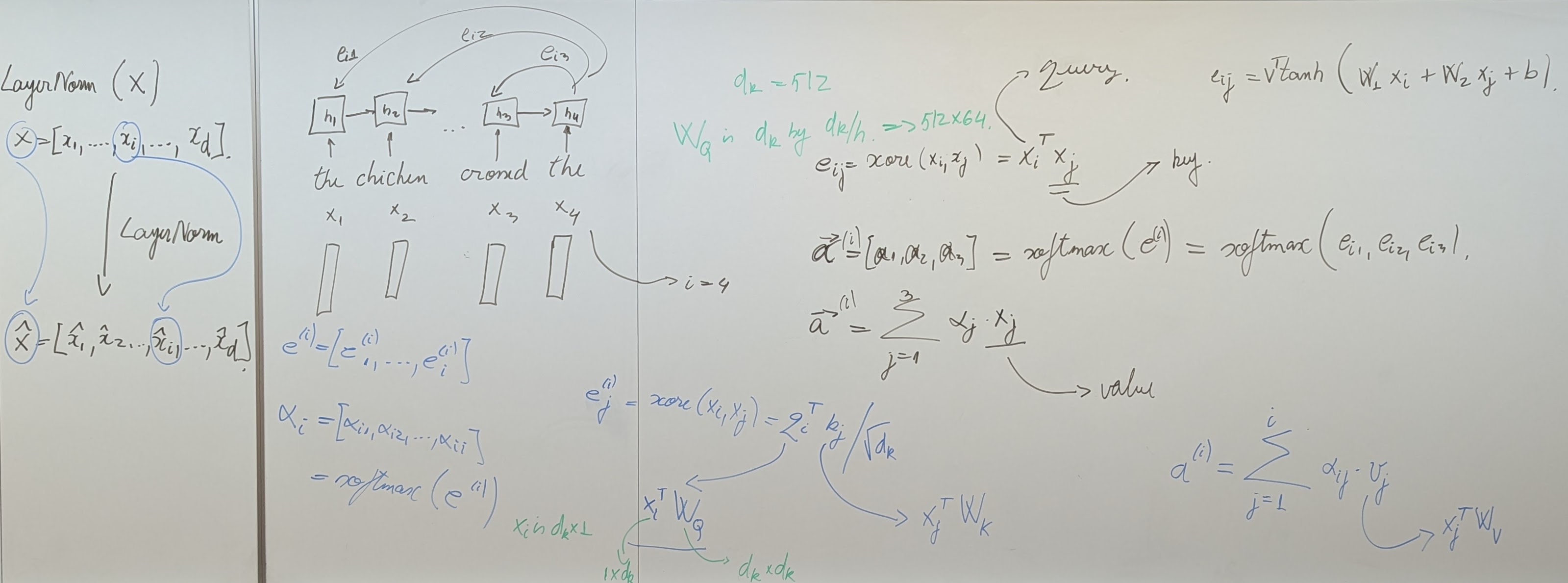
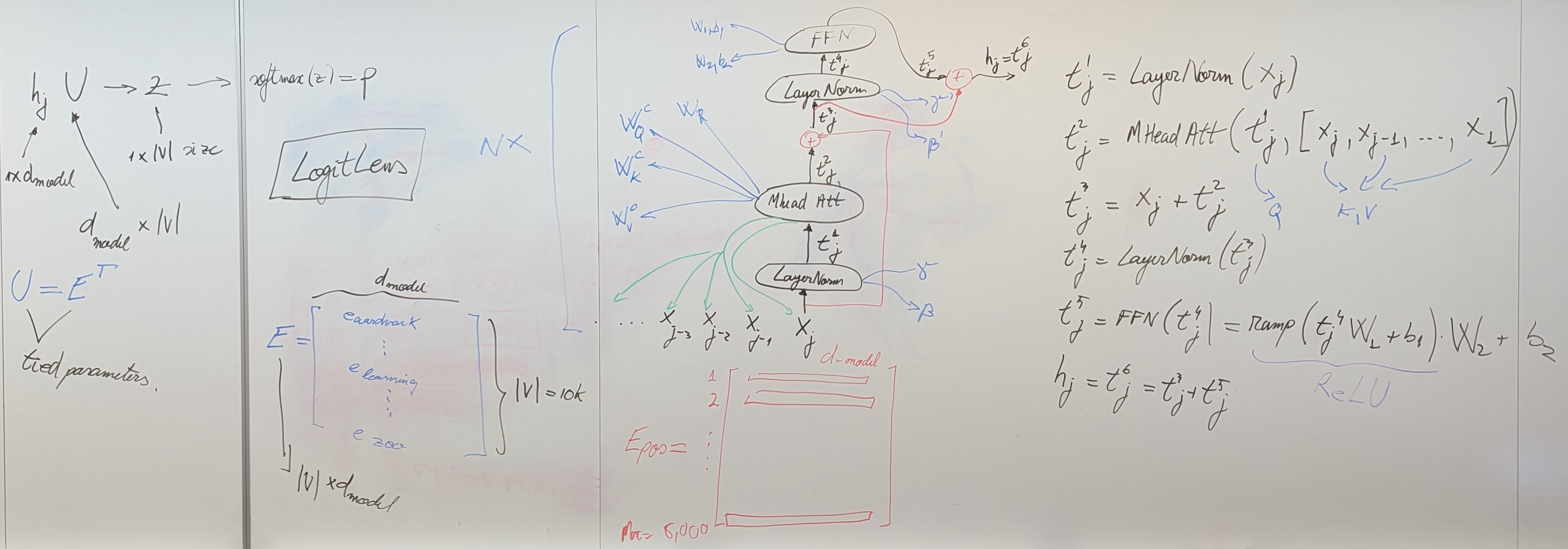
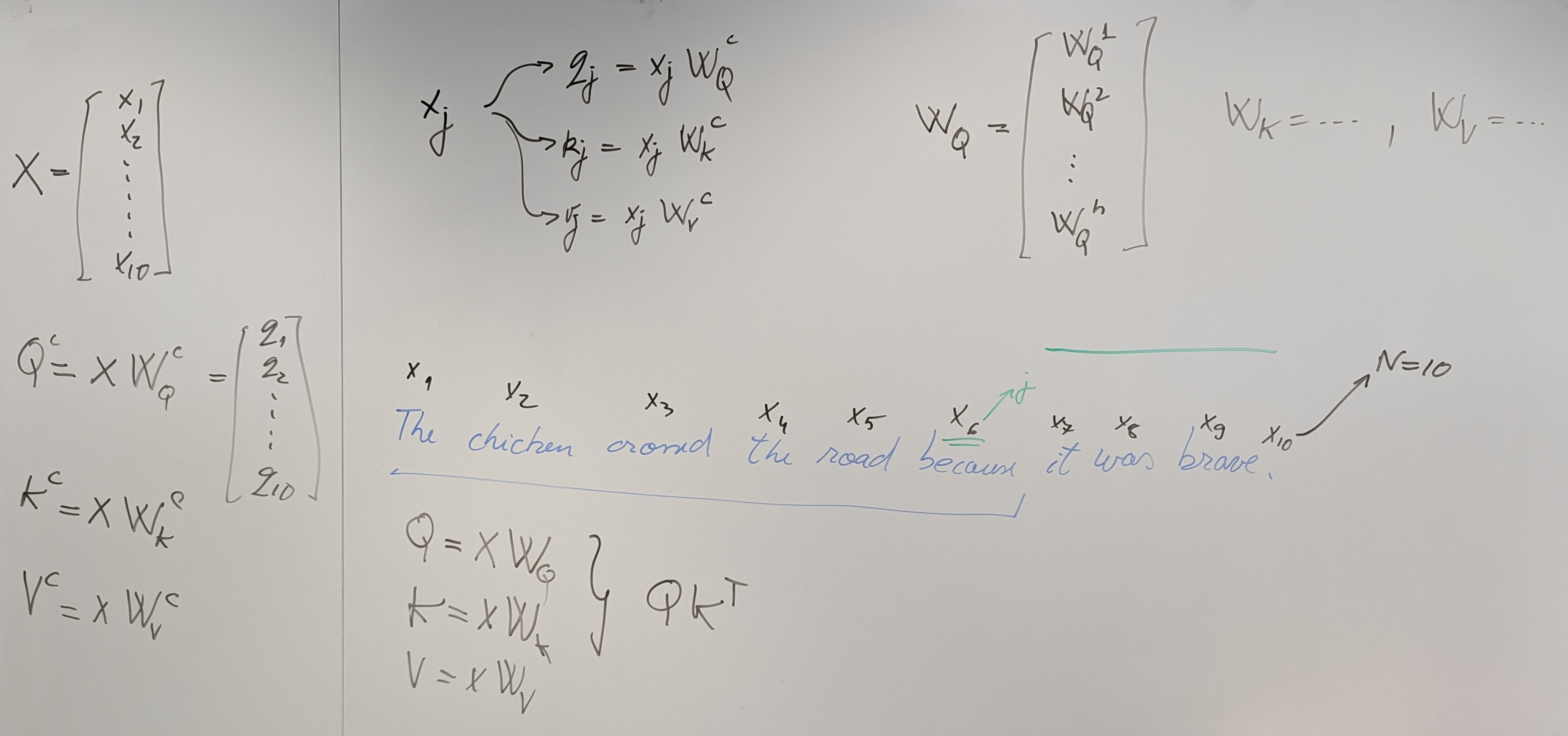
- Transformers and Self-Attention
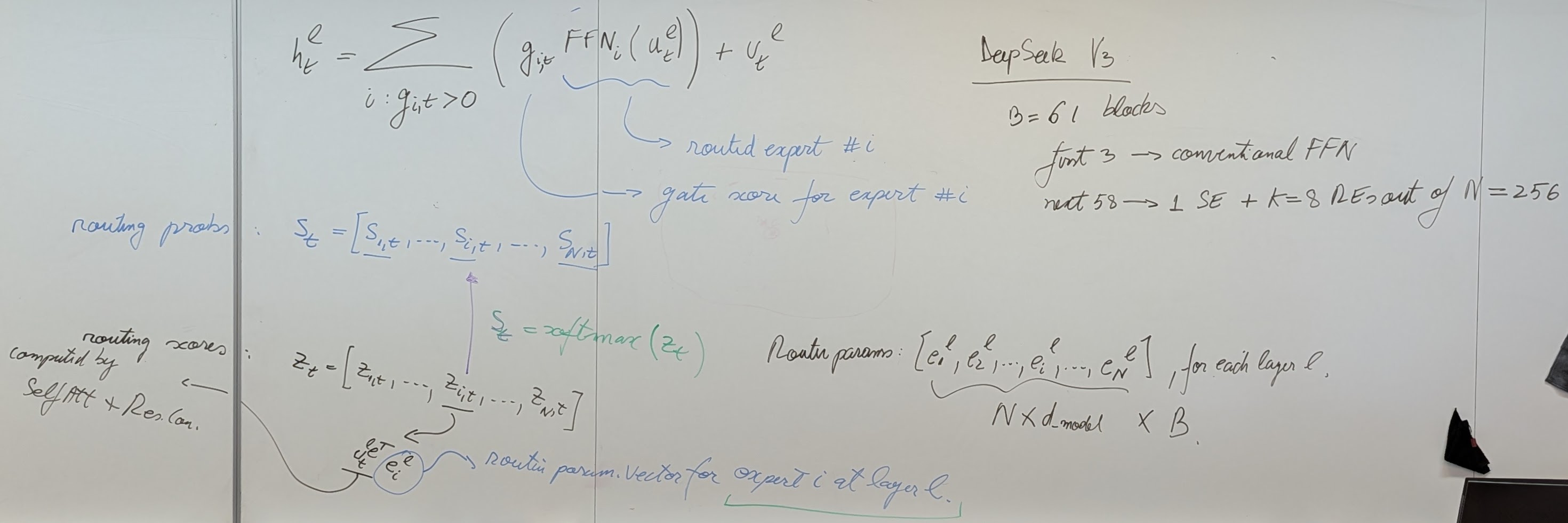
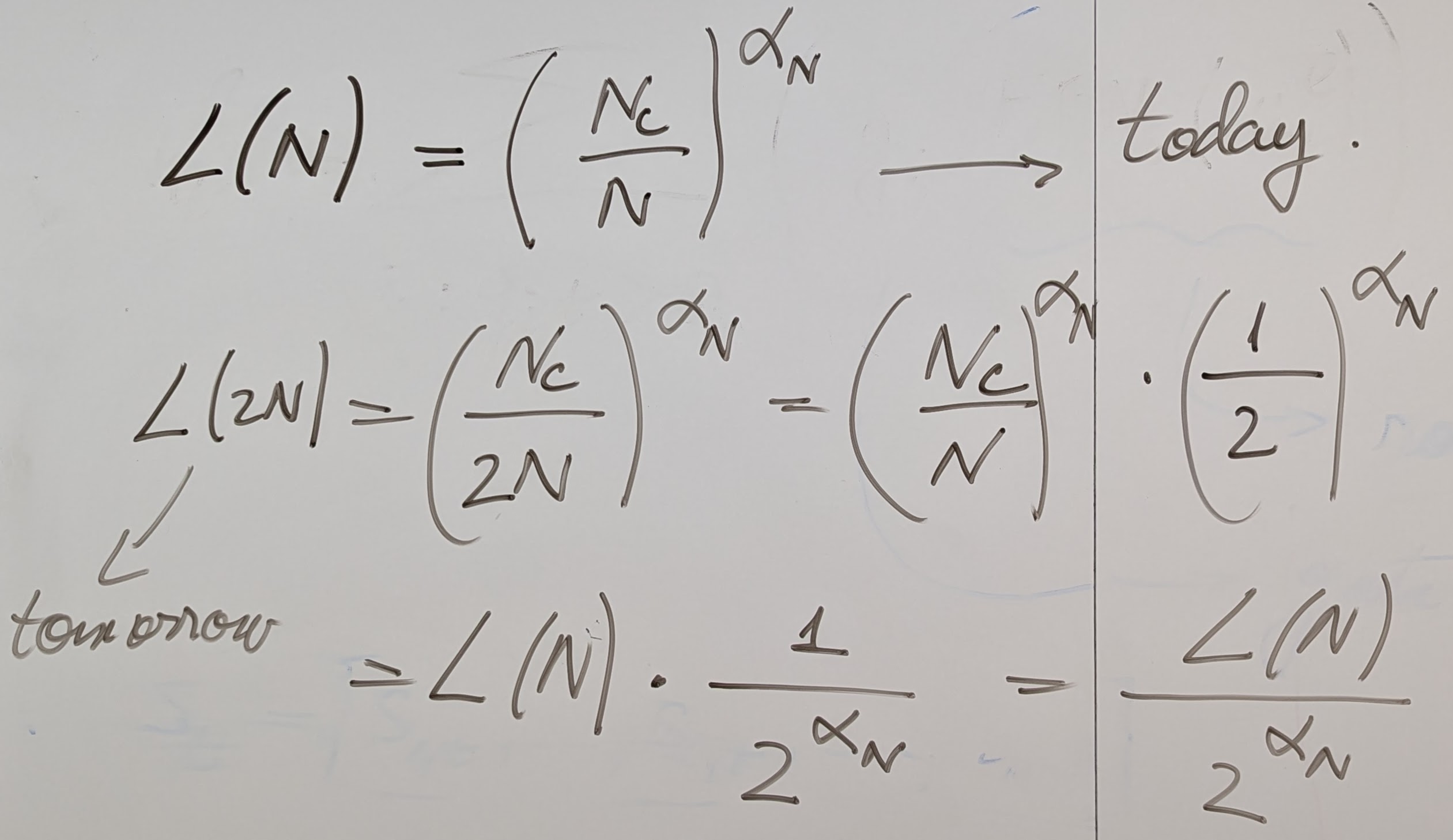
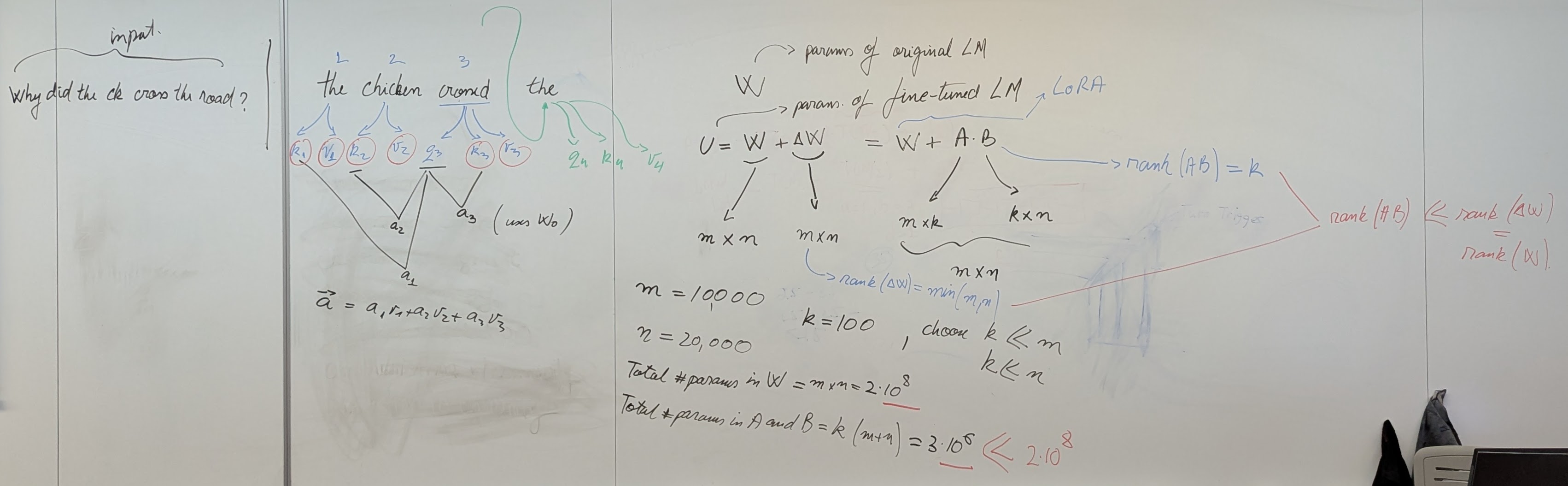
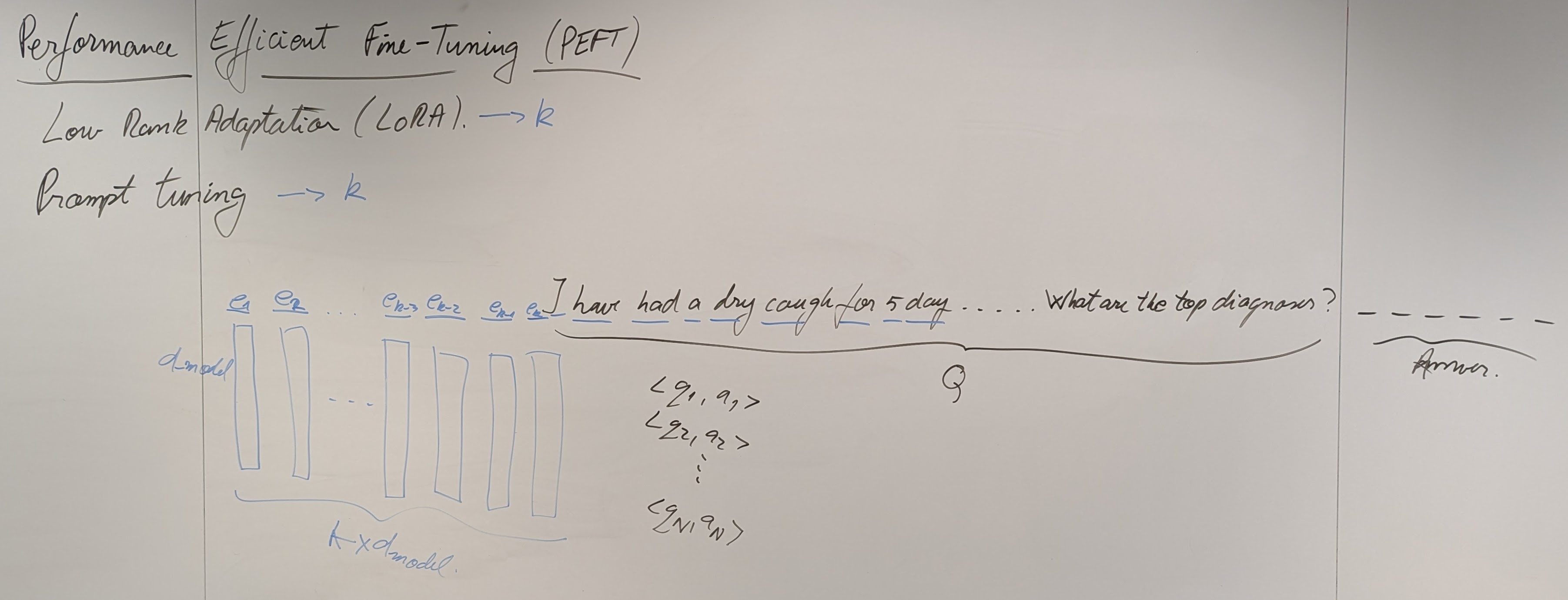
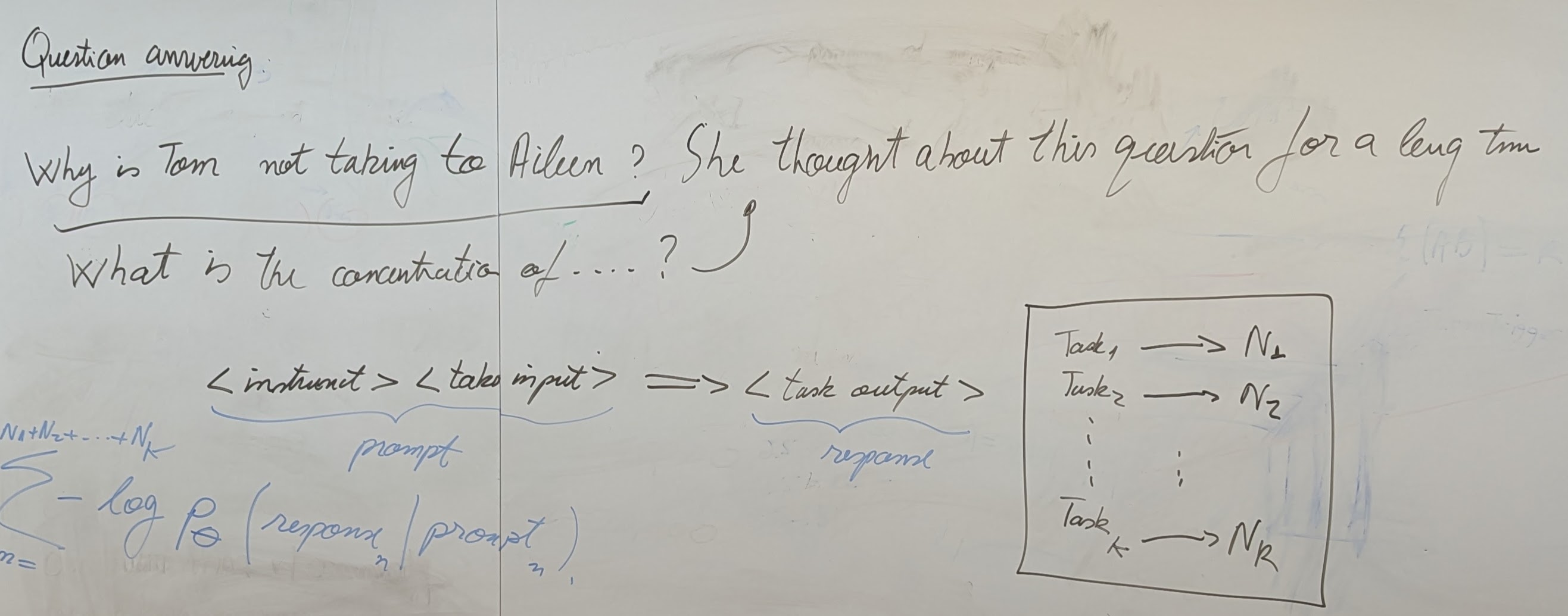
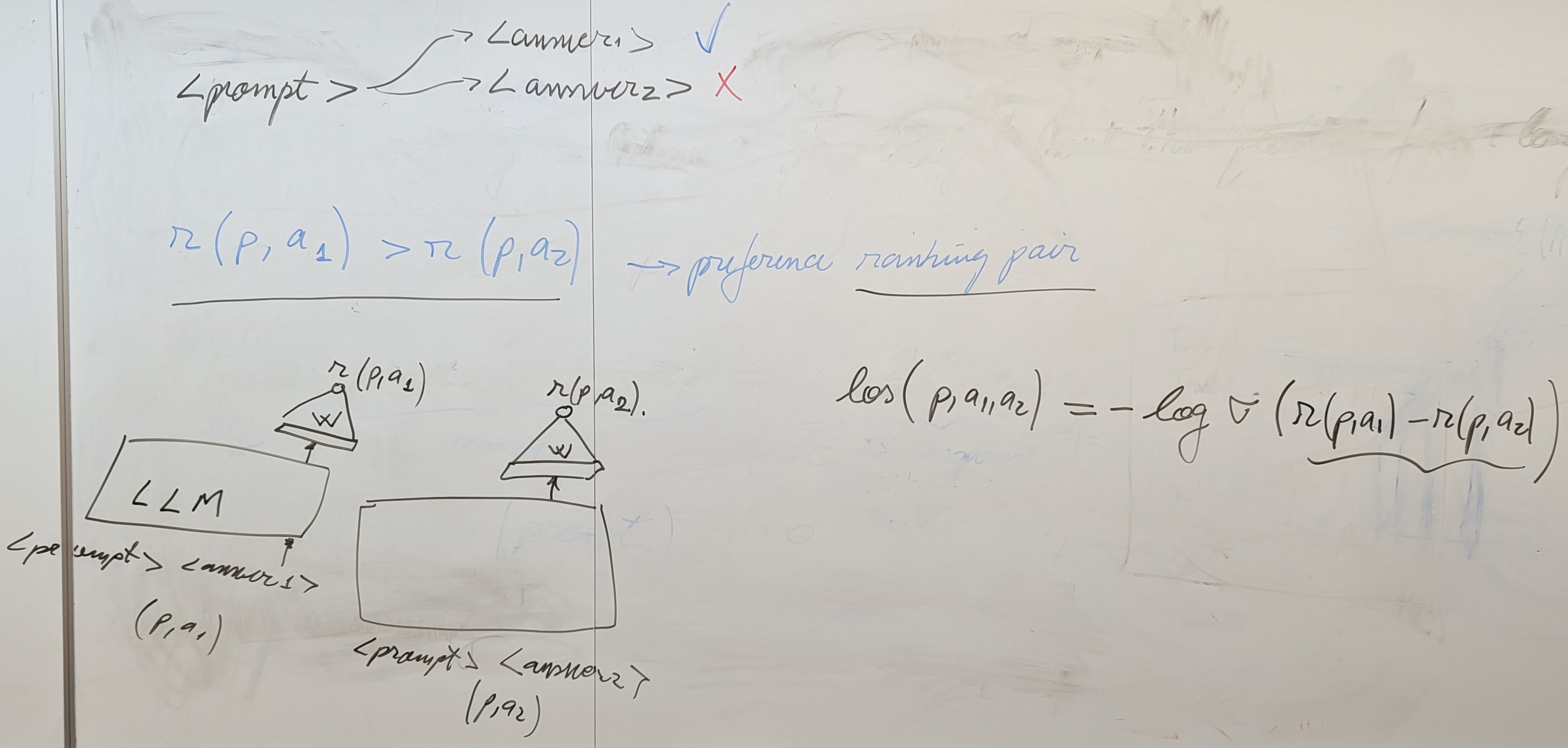
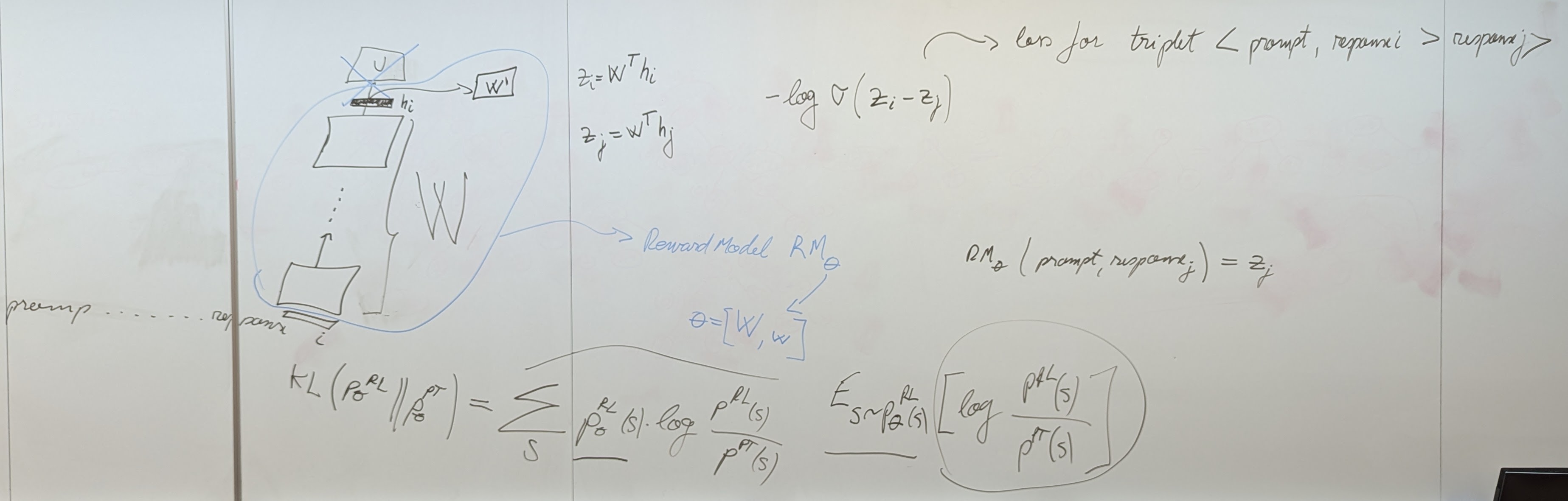
- Pretraining, Supervised Fine-tuning, and Alignment
- LLMs: application development through APIs
- LLMs: connecting applications with tools and external resources
- LLMs: Efficient Factual grounding using RAG and vector DBs
- LLMs: Connecting AI applications to external resources using MCP
Homework assignments1:
- Assignment 1 on subword tokenization with BPE.
- Assignment 2 on word embeddings.
- Assignment 3 on language modeling with FCNs.
- Assignment 4 on language modeling with LTSMs.
- Assignment 5 on language modeling with Transformer-based models.
Assignment 6 on post-training LLMs.
Assignment 7 on Restaurant Chatbot by interfacing LLMs with tools through MCP or A2A.
Paper presentations:
Final project:
Background reading materials:
Supplemental readings:
Tools and packages:
- Natural language processing:
- Machine learning: